
E-commerce data aggregator
Implementing Vision-Based Scraping
When DOM-based scrapers kept breaking against shifting retail sites, switching to vision-based interaction made the pipeline dramatically more durable.
- Higher uptime
- far less selector maintenance needed
- Broader coverage
- more sites scraped, same effort
Overview
- Client
- E-commerce data aggregator
- Focus areas
- Computer Vision
An e-commerce aggregator needed to keep product, price and availability data fresh across many retail sites. Traditional DOM scraping with BeautifulSoup and Selenium kept breaking as those sites changed.
The problem
01
Frequent DOM restructuring on target sites broke selectors and demanded constant maintenance.
02
Dynamically generated buttons, fields and dropdowns made scraping flows unpredictable.
03
Anti-scraping measures like hidden fields and dynamic content loading compounded the fragility.
The solution
The solution
Vision-based interaction
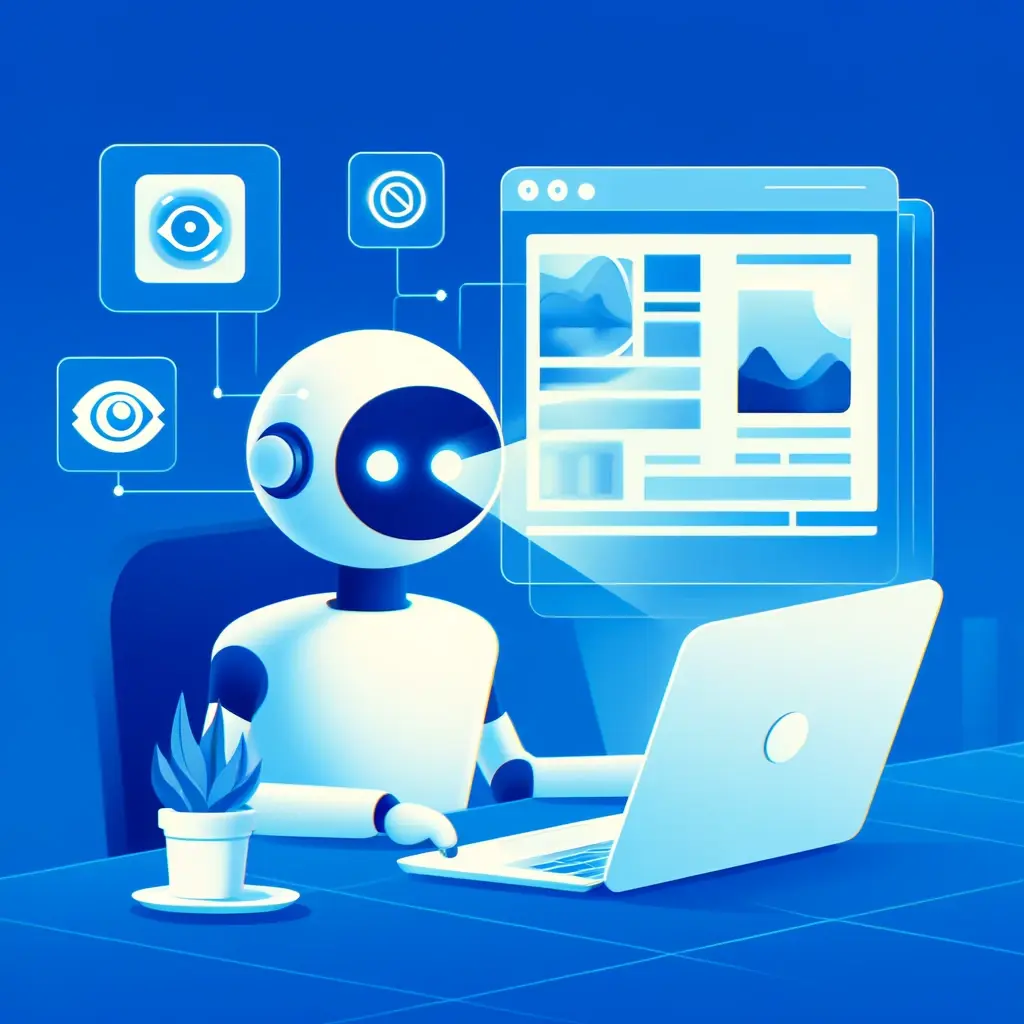
We moved from DOM selectors to computer vision, identifying and interacting with page elements by how they look rather than where they sit in the markup, closer to how a person actually uses the page.
Results
Selectors needed far less constant upkeep, since the approach was largely DOM-structure agnostic.
Greater robustness against anti-scraping measures, by mimicking human interaction more closely.
Easier to extend to new site layouts, letting the client scale coverage with less added effort.
Higher uptime and improved data accuracy versus the previous DOM-based approach.
Conclusion
Trading DOM selectors for computer vision turned a maintenance-heavy scraping pipeline into a durable one, a pattern that now generalizes to any site the aggregator wants to add next.
Have a similar problem to solve?
We'll scope it, prototype it, and tell you honestly whether AI is the right tool for it.
Start a projectMore case studies
Community networking platform
AI-Driven Content Categorization & Onboarding
Whisper-powered voice onboarding and category matching cut a two-minute manual flow down to about a minute.
Read the case studySenior living platform
AI Health Monitoring for Elderly Care
Non-intrusive monitoring, personalized alerts and an AI chat layer, built to qualify for RPM/RTM reimbursement, not just look good in a demo.
Read the case study